

How to Repair Hole in Composite Door
Composite doors may crack when exposed to different conditions of weather. They are protected by UV-stabilized CoolSkin to shield them from the sun but the corrosive elements that are exposed over time could cause them look worn out.
There are a few easy ways that you can repair holes in a composite door. We'll teach you how to use auto-body filler and spackle to make your composite door look as new!
Filling a hole inside a composite door
Composite doors are popular among homeowners due to their durability and low-maintenance. However, they are not impervious to damage and may face various issues, ranging from locking issues to misalignment, and damaged hinges. It is important to know that many of these issues are easily fixable. In fact, if the issue is caused by an unavoidable circumstance like a huge wind storm or impact it may be better to have the door professionally repaired by a trained and experienced technician.
A front door made of composite can suffer from a common problem that is the loss of its weather seal. This can cause drafts and rainwater getting into the home. The most popular solution is to replace the weather seal with a brand new one that is designed for composite doors. You can purchase this at most hardware shops and online retailers. Do some research prior to purchasing the seal to make sure that it is suitable for your door.
Another issue that can occur with a composite front door is the appearance of cracks in the frame. This can be caused by a number of causes, such as temperature fluctuations, general wear and tear, or a sudden impact. The cracks, although typically minor, can cause the hinges of the door to sag as time passes. This can make it difficult to close and open the door.
In certain instances, the composite door's GRP coating may crack. This is normal and tends to occur around the edges of the door, however it shouldn't be a cause for concern. The GRP coating guards the material from harmful UV rays as well as other environmental factors.
It is important to remember that a composite door's internal drainage system may become blocked with debris, which can cause the build-up of water on the interior of the door. To resolve composite door hinge replacement , you'll need to clean the drainage system and eliminate any debris from the drain channels. After you have completed this task, it's crucial to test the system and ensure that it is working correctly.
One of the major advantages of a composite door is its energy efficiency. This is due to the fact that the material is made from a mix of wood and uPVC which is an insulation. Additionally, the core of the door is usually made from a thick piece of wood or insulating foam for additional insulation.
Composite doors are an excellent option for homeowners looking to save money on their heating bills. However, this type of material has some disadvantages. The exterior of a composite is usually made of plastic which can break and fade with time. This could pose a problem for some homeowners, especially in warmer climates where the sun's rays are stronger.
Composite doors are not immune to problems, though they are susceptible to the same issues as uPVC doors, such as damage to the hinges and lock. If the door is not properly maintained, it may even be prone to warping and rotting. A composite door can last for up to 30 years with the proper maintenance.
Stuffing holes into the composite door
The composite door is a favorite choice for homeowners. They're strong, insulated and can be customised to match the look of your home. Like all doors is susceptible to wear and tear. Certain issues may be minor and simple to fix, but some may require the assistance of an expert. There are many methods to repair holes in doors made of composite.
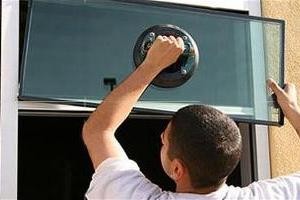
There are a variety of reasons a hole could appear in your composite doors. It could be caused by a broken lock or some other hardware. Perhaps you've installed some kind of decorative feature, such as a peephole or letterbox. It is crucial to address the issue right away to prevent further harm.
You can patch the hole fast with spackle or auto-body filler when you're in a rush. It's not as long-lasting as wood filler but it can be used to fill in the gap. Make sure you adhere to the directions of your particular product to ensure the most effective results.
It's also recommended to install an air seal to your composite door, which is designed specifically for this kind of material. This will keep drafts and rainwater from getting into your home.
Although composite doors are extremely robust, they aren't immune to cracking. They are susceptible to damage from impacts, temperature changes as well as general wear and wear and tear. Surface cracks can be easily repaired and will not impact the strength of your doors.
The composite doors can also be difficult to open or close. The hinges might require replacement or tightened. It is also possible to lubricate the lock mechanism or tighten the door handle. Talk to a professional if are having problems with your composite door.
There are several ways to repair a hole in a composite wood door. The most efficient method is dependent on how large and deep the hole. Wood filler is a good option for larger holes. Mix the wood filler with a bit of hardener, then apply it to the hole. Once it's dry you can sand it down and paint it to match the rest of the door. To fill in holes that are smaller, use a dowel with wood glue. Make sure you take measurements of the door frame prior to installation and then use a dowel slightly larger than the hole you originally made. Once the dowel has been put in place, use C-clamps to fix it. Cut the ends of dowels using a handsaw until they are flush with the other side of the door. Then, apply a layer of joint compound for drywall on the surfaces and sand them down until they're smooth.